Listen here:
https://feeds.podetize.com/fRnCHEXPOt.mp3
All men dream, but not equally. Those who dream by night in the dusty recesses of their minds, wake in the day to find that it was vanity: but the dreamers of the day are dangerous men, for they may act on their dreams with open eyes, to make them possible.
~ T. E. Lawrence
This story, of one - and then two - such "dreamers of the day" begins in the pastures of Canterbury New Hampshire, passes modestly through Concord, the state capitol, and winds up finally in the rolling meadows beneath the shadow of Mount Kearsarge in Warner.
With each step Bud Thompson has used his keen sense of place and humor and history to create a lasting legacy for New Hampshire and the nation and ultimately for himself and his beloved Nancy though the personal legacy came about by accident. The result of lives lived, for more than 90 years now, selflessly in service to others. Always calling down the spotlights like directors cueing our attention with their quiet competence and always redirecting the camera's focus from themselves to their mission.
It is a story of saving and preserving one people's history and then pivoting at the age of 68 - when most people would have "Called it Good" as they say; and crafting, from raw land and love, a living homage to the original inhabitants of this state and this country.
In his 96 years Bud Thompson played the pivotal role in the founding of the Canterbury Shaker Village and, with his wife Nancy at his side, The Mount Kearsarge Indian Museum, honoring the art and spiritual oneness of the Native American people of this continent. Along the way offering up their help to also preserve the legacy of New Hampshire's only US President, Franklin Pierce.
He never had time to write the books. There was no author's signing for "Preserving the Shaker Legacy", There was no publisher crowing about the "Ride of the Pierce Brigade"; and there was no shelf at Gibson's Books in Concord, or Main Street Bookends in Warner dedicated to celebrating Native American Heritage in the shadow of the Mountain that the Penacook call Carasarga - today known as Mount Kearsarge.
These were as Bud himself says "The Books He Didn't Write." Today with some help from his son and previous guest on NH Secrets, Legends and Lore, Darryl Thompson and of course from Bud himself we bring you the story of Charles "Bud" Thompson. Founding catalyst of Canterbury Shaker Village, member of the Pierce Brigade and, with his wife Nancy, Founders of the Kearsarge Indian Museum.
The story begins more than 60 years ago when Bud joined together with three of the last remaining Shakers: Sister Marion Phelps, Sister Bertha Lindsey, Sister Marguerite Frost. He had a dream and the Shakers believed in him and trusted both his vision and his character. Ten years later, legendary New Hampshire Lawyers Richard Morse and John Sheehan stepped up to help make it all legal and official and in 1969, at what we now know as Canterbury Shaker Village they all joined together to form the Canterbury Shaker Village Incorporated, the legal entity that protected the land and the legacy of the Shaker people through an historic restoration of the village.
But in 1957, when Bud first met the Shakers, the future seemed uncertain at best.
Links
All men dream, but not equally. Those who dream by night in the dusty recesses of their minds, wake in the day to find that it was vanity: but the dreamers of the day are dangerous men, for they may act on their dreams with open eyes, to make them possible.
~ T. E. Lawrence
This story, of one - and then two - such "dreamers of the day" begins in the pastures of Canterbury New Hampshire, passes modestly through Concord, the state capitol, and winds up finally in the rolling meadows beneath the shadow of Mount Kearsarge in Warner.
With each step Bud Thompson has used his keen sense of place and humor and history to create a lasting legacy for New Hampshire and the nation and ultimately for himself and his beloved Nancy though the personal legacy came about by accident. The result of lives lived, for more than 90 years now, selflessly in service to others. Always calling down the spotlights like directors cueing our attention with their quiet competence and always redirecting the camera's focus from themselves to their mission.
It is a story of saving and preserving one people's history and then pivoting at the age of 68 - when most people would have "Called it Good" as they say; and crafting, from raw land and love, a living homage to the original inhabitants of this state and this country.
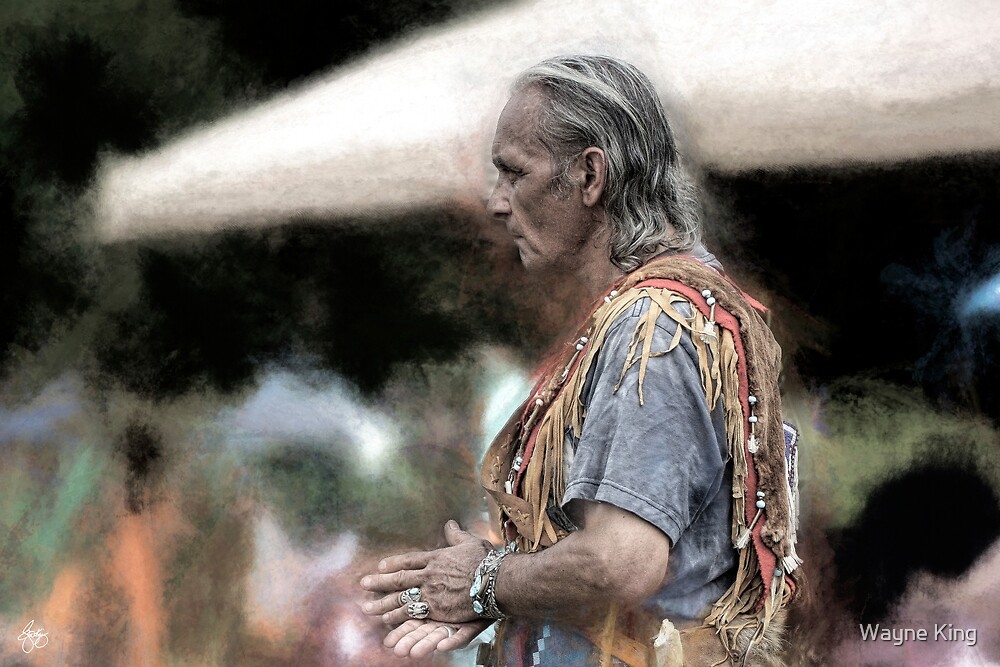 |
| Dance of a Woodland Elder |
He never had time to write the books. There was no author's signing for "Preserving the Shaker Legacy", There was no publisher crowing about the "Ride of the Pierce Brigade"; and there was no shelf at Gibson's Books in Concord, or Main Street Bookends in Warner dedicated to celebrating Native American Heritage in the shadow of the Mountain that the Penacook call Carasarga - today known as Mount Kearsarge.
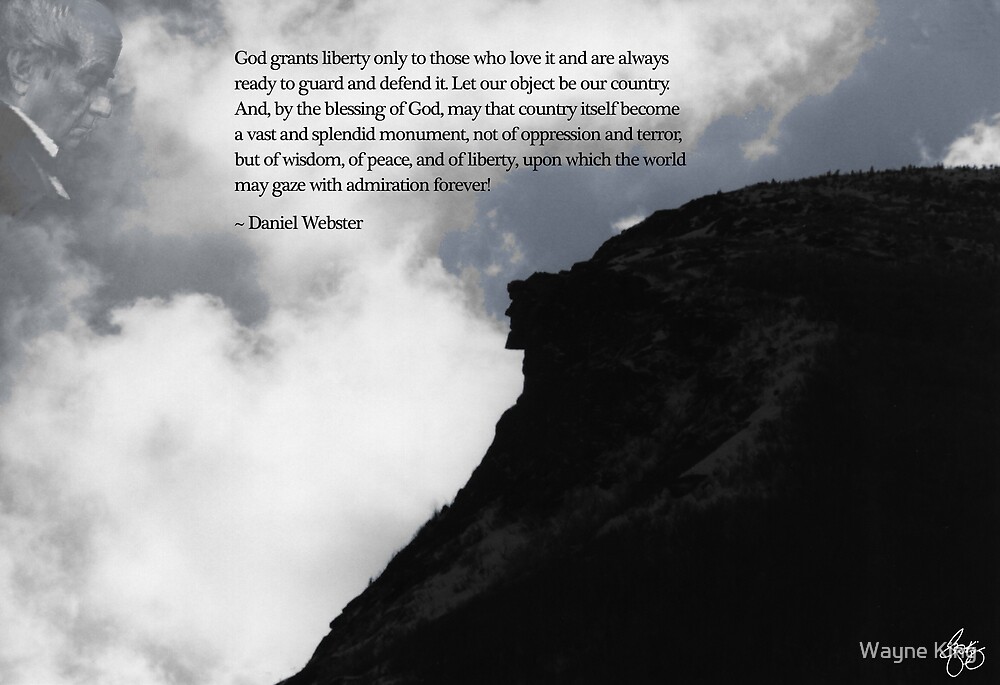 |
| Webster - Wisdom, Peace, Liberty |
These were as Bud himself says "The Books He Didn't Write." Today with some help from his son and previous guest on NH Secrets, Legends and Lore, Darryl Thompson and of course from Bud himself we bring you the story of Charles "Bud" Thompson. Founding catalyst of Canterbury Shaker Village, member of the Pierce Brigade and, with his wife Nancy, Founders of the Kearsarge Indian Museum.
The story begins more than 60 years ago when Bud joined together with three of the last remaining Shakers: Sister Marion Phelps, Sister Bertha Lindsey, Sister Marguerite Frost. He had a dream and the Shakers believed in him and trusted both his vision and his character. Ten years later, legendary New Hampshire Lawyers Richard Morse and John Sheehan stepped up to help make it all legal and official and in 1969, at what we now know as Canterbury Shaker Village they all joined together to form the Canterbury Shaker Village Incorporated, the legal entity that protected the land and the legacy of the Shaker people through an historic restoration of the village.
But in 1957, when Bud first met the Shakers, the future seemed uncertain at best.
Links
Canterbury Shaker
Village
Mt.
Kearsarge Indian Museum
https://www.indianmuseum.org
https://www.indianmuseum.org
Pierce Manse